
1. Operational execution will determine who makes progress in 2026
Every speaker at Communicate ‘25 underscored the same uncomfortable reality: enterprises suffer from the inability to execute their vision quickly and cohesively. Most organisations know they must digitise, simplify journeys, reduce operational cost, build real-time capability, and introduce AI where appropriate. The blockage is execution. Complex estates, fragmented ownership, legacy processes, inconsistent data, and slow decision cycles mean that ambitions for transformation collapse under the weight of day-to-day operational reality.
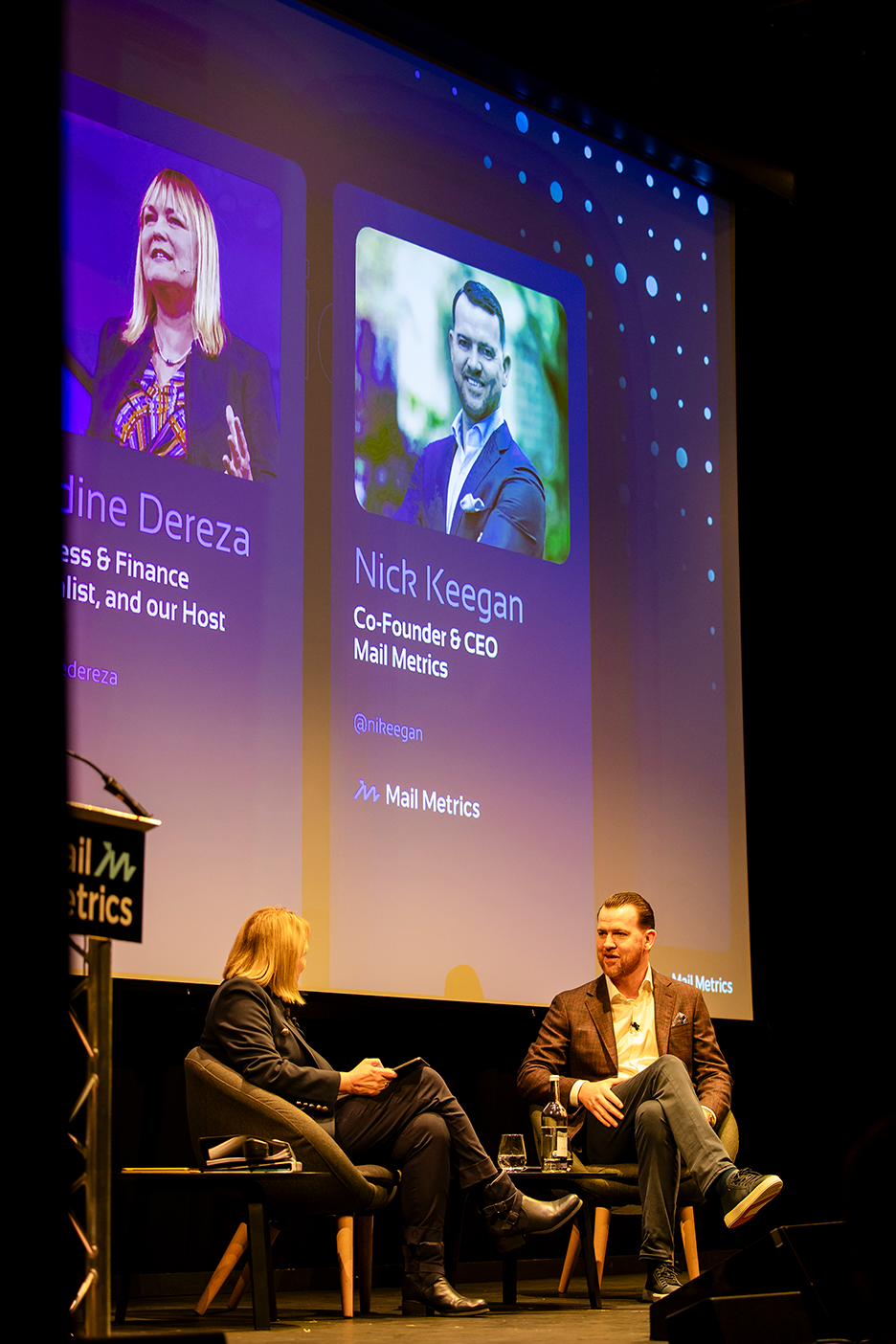
Our CEO Nick Keegan opened the day by highlighting key findings from our latest decision-maker research Communicate ‘26: Between Vision & Constraint. One was that 75% of organisations expect ROI from digital transformation within two years, and many now expect it within months. Yet the data also revealed the persistent structural problems that continue to slow progress: fragmented systems, poor data, regulatory hesitation and unclear ownership.
One speaker, Jamie Middleton from Irish bank PTSB, demonstrated how even straightforward digitisation becomes difficult when multiple teams hold different views on risk, process, and what “good” looks like.
Matt Roberts from the Aon pensions administration team, added a practical example: a quarter of forms returned by customers were incomplete, not because customers cannot follow instructions, but because internal processes were never designed for digital-first engagement.
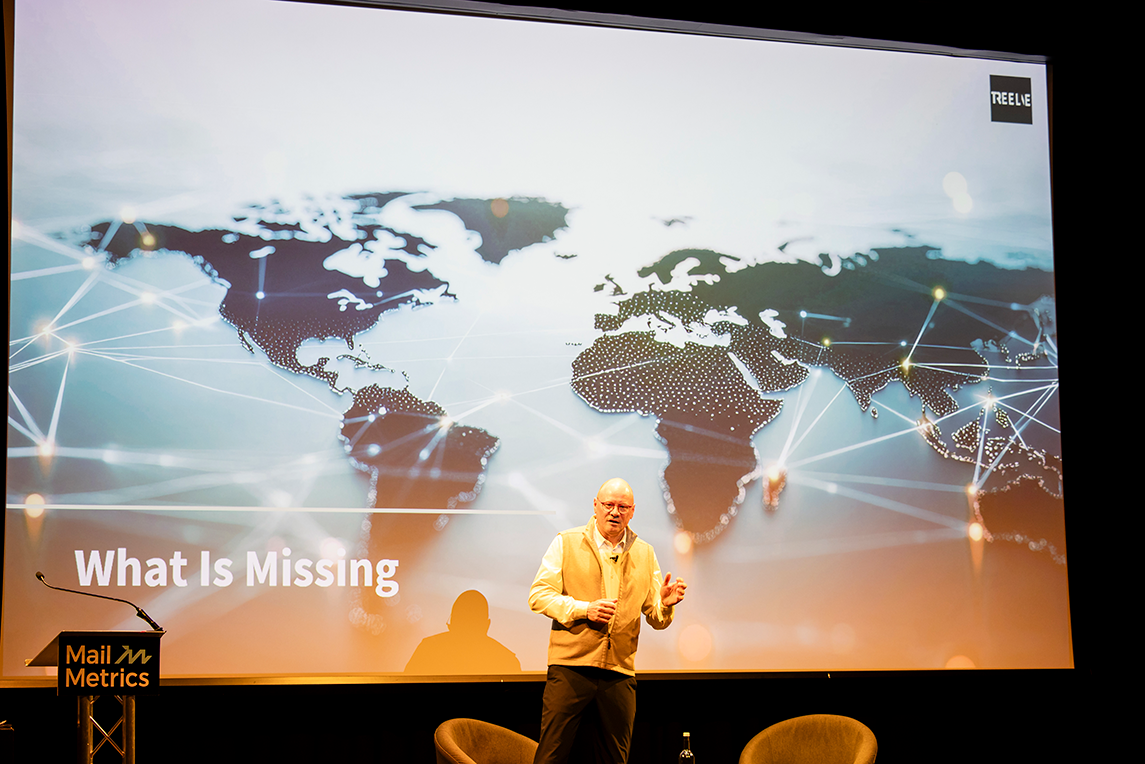
And Andy Young from Treeline Research characterised the entire industry as one that has lost its bearings. Overwhelmed by activity but short of operational clarity.
The message for 2026: ambition won’t differentiate anyone. Execution will.
2. Legacy complexity is the biggest barrier and the fastest route to ROI
One of the strongest themes from the event was that enterprises are trying to modernise journeys that were never designed to be modernised. The quickest wins do not come from new features or channels; they come from removing friction.
PTSB had to unwind years of paper-led processes before digital could deliver value. Layering digital on top of existing processes simply preserves inefficiency. Transformation only began when Aon redesigned journeys for the channel rather than translating the old world into the new one.
From a cost perspective, rising postal costs are the thinnest layer of operational inefficiency, not the cause of it. Postal cost pressures expose deeper structural issues: duplicated processes, inconsistent workflows, and unnecessary internal effort.
Andy Young captured the structural root of the problem. Organisations cannot move at speed when they lack a single, coherent map of how communication flows, where decisions sit, and which teams influence outcomes.
Transformation accelerates only when complexity is cut out at the root.
3. Regulatory ambiguity is slowing transformation more than regulation itself
Regulation is rarely the true blocker; it’s the internal interpretation of regulation that causes paralysis. Many enterprises still operate as if “written communication” must automatically mean “post”, limiting their ability to modernise even when customers prefer digital channels.
During the conference panel, Andrew Herd, COO of Mail Metrics, argued that many compliance challenges stem not from regulation itself, but from inconsistent internal processes. Organisations can only achieve reliable, audit-ready communication when their processes are standardised across teams.
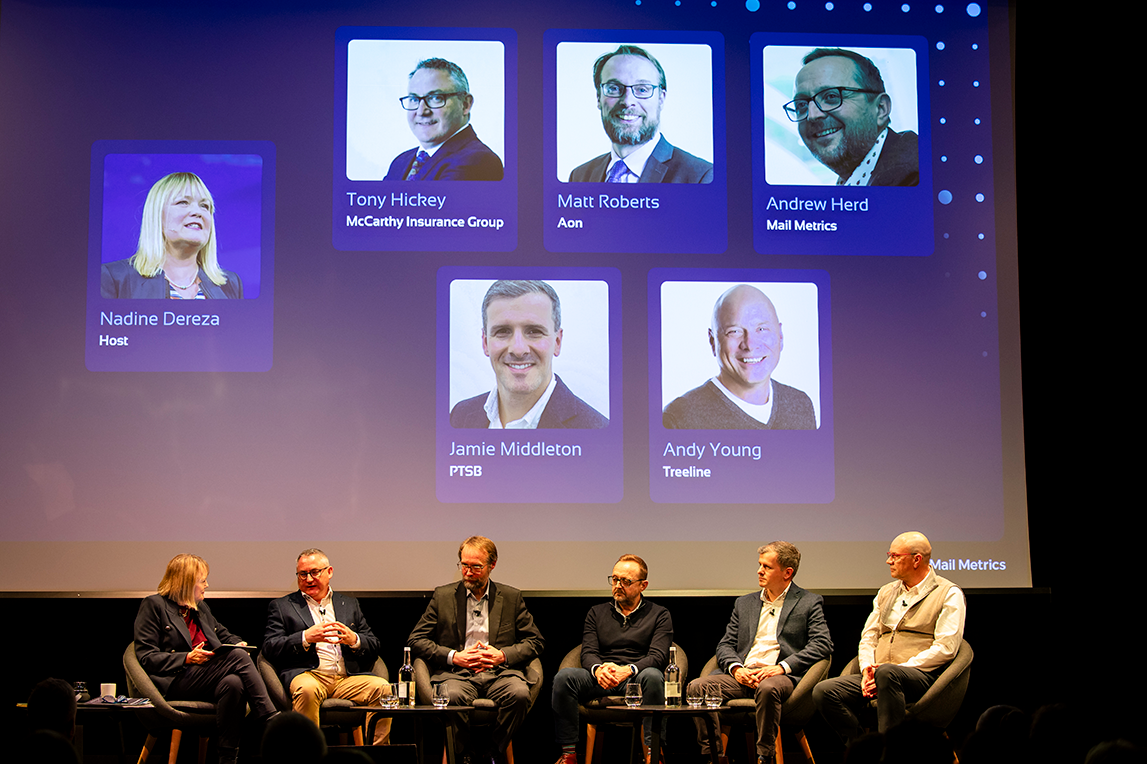
Tony Hickey from McCarthy Insurance Group added that inconsistent consent signals, unreliable contact data and competing internal views on what compliance does or does not allow make teams default to caution, even when the risks are imagined rather than real.
What happens when this hesitation is removed?
When PTSB created clear internal rules for digital adoption, customers almost universally accepted the shift and compliance teams became more comfortable, not less.
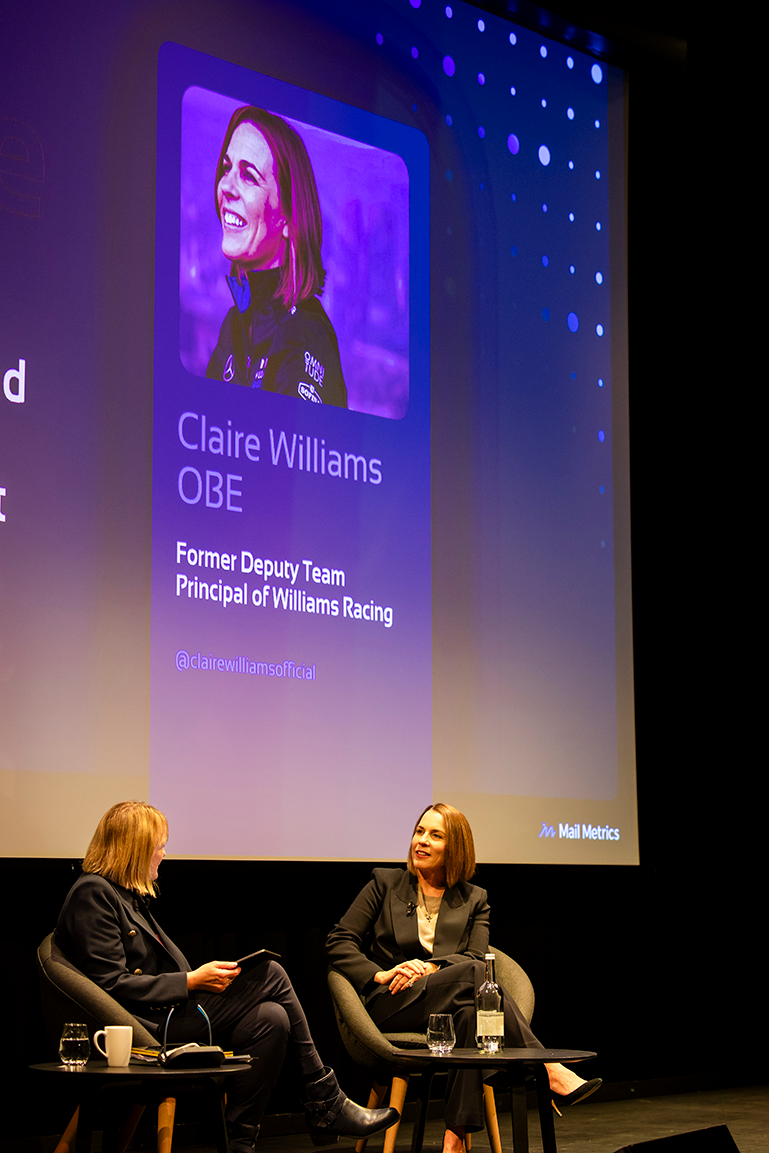
The headline speaker, Claire Williams, former Deputy Team Principal of Williams Racing, explained that in F1, success isn’t about exploiting grey areas or bending the rules. It’s about knowing precisely where the boundaries are and staying firmly within them. Her view was unequivocal: she would rather lose with integrity than win by crossing the line.
Progress doesn’t come from pushing against regulation or waiting for perfect clarity; it comes from understanding the rules deeply, building internal alignment around them, and operating with confidence inside those boundaries.
4. Demographic myths must be abandoned
The assumption that older customers resist digital is no longer defensible.
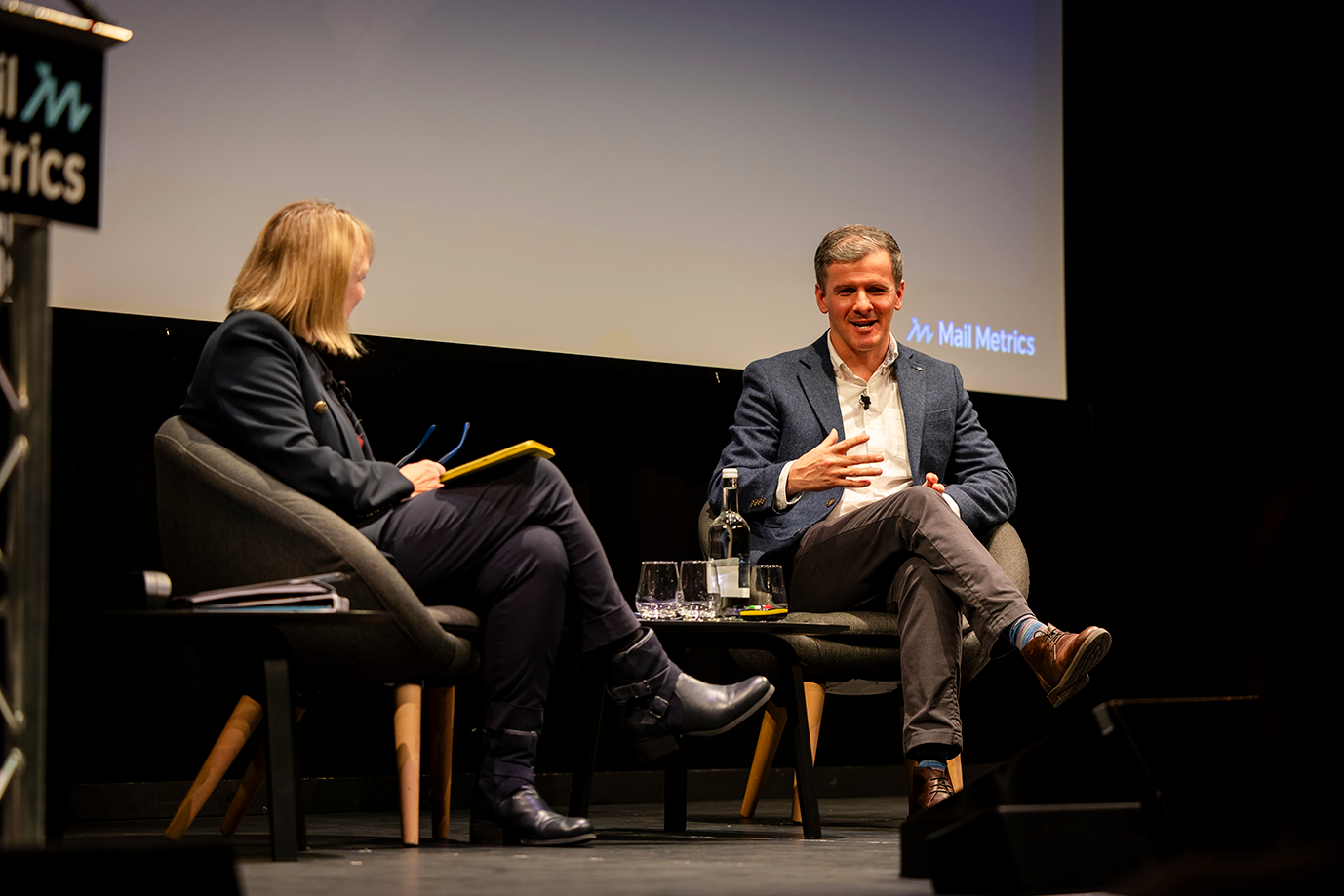
Matt Roberts showed that Aon’s digital take-up rates were comparable across all age groups, including those in their 70s and 80s. Jamie Middleton shared that when PTSB implemented digital-default communication with a clear opt-out pathway, almost no customers chose to revert to paper. Nadine Dereza, in her role as host, pushed speakers on whether age remains relevant at all, and the consensus was unequivocal: it does not.
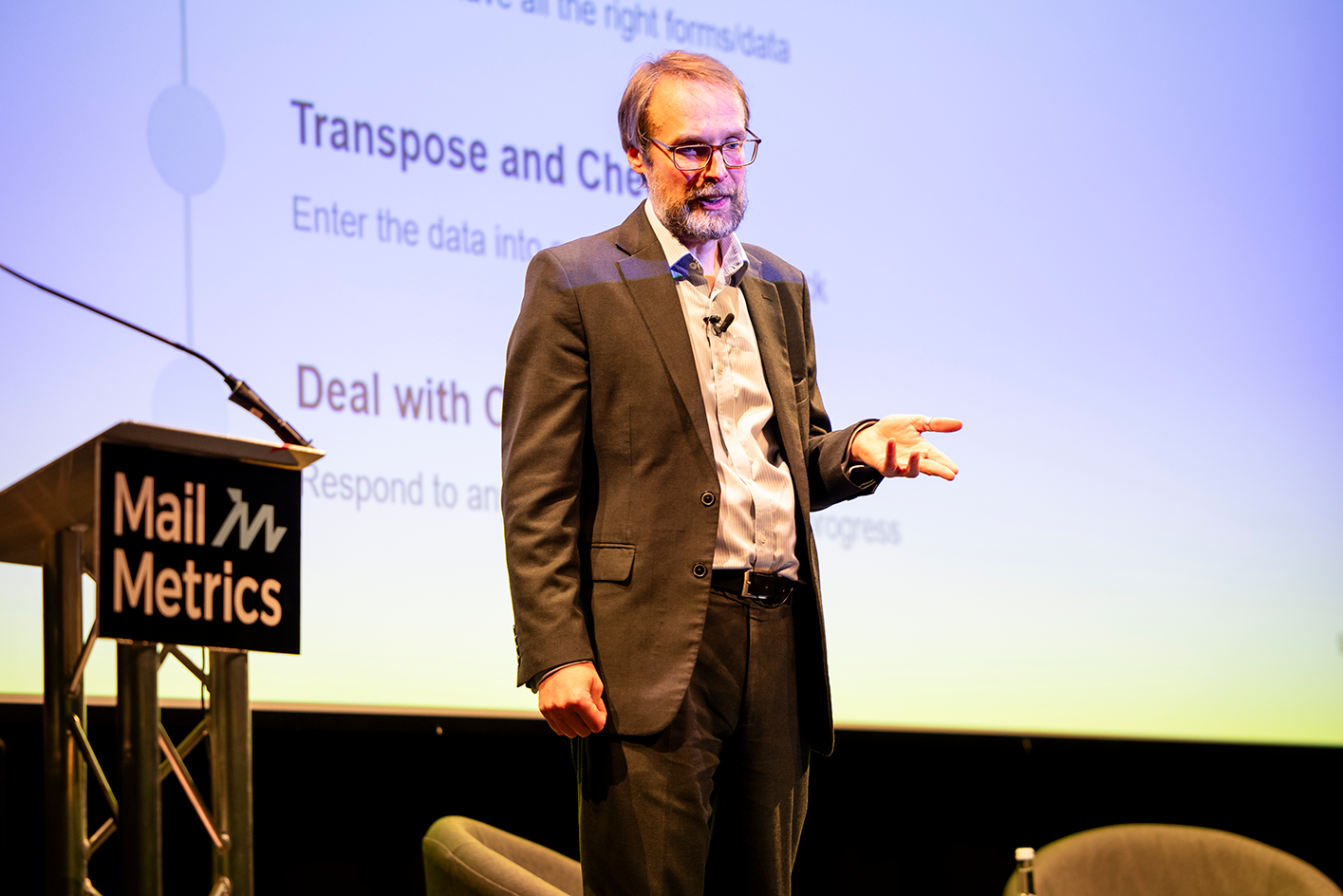
Andy Young contextualised the issue neatly. Digital adoption correlates more strongly with life complexity and situational need than with age, e.g. retirement planning, mortgage events, health-related interactions. Customers of all demographics adopt digital when the process is simpler, faster and more trustworthy than the manual alternative.
As organisations plan for 2026, they must stop designing journeys around imagined demographic barriers and start designing them around clarity, ease and context.
5. Simplicity is now a competitive advantage
Customers don’t resist digital channels; they resist confusing digital channels.
Our decision-maker research showed that organisations continue to prioritise cost efficiency and customer satisfaction as their key measures of ROI. And both are highly dependent on reducing friction.
The roundtables defined simplicity as the characteristic most associated with strategic advantage, a phrase that recurred throughout the discussions. Matt Roberts shared that Aon only unlocked efficiency once they redesigned processes to suit the channel, rather than bending the new world around the old. Jamie Middleton stressed that communications must become the anchor tenant of the customer journey; the point around which all other processes are organised.
The organisations that simplify fastest will move fastest in 2026. Simplicity is no longer a UX preference or an operational aspiration. It is a competitive differentiator. Enterprises that remove steps, rationalise templates, reduce decision points and eliminate unnecessary exceptions will move faster and outperform those who continue to operate inside overly engineered communication environments.
6. AI is useless without data discipline
The message on AI across the day was more sober than speculative. AI will not save organisations from their data problems. It will magnify them. It cannot interpret inconsistent logic, multiple branching pathways or unclear ownership. Simplicity allows it to function; complexity breaks it.
Keynote speaker Katie King emphasised that AI only produces value when organisations have unified, reliable communication datasets, clear governance, explainability and human oversight.
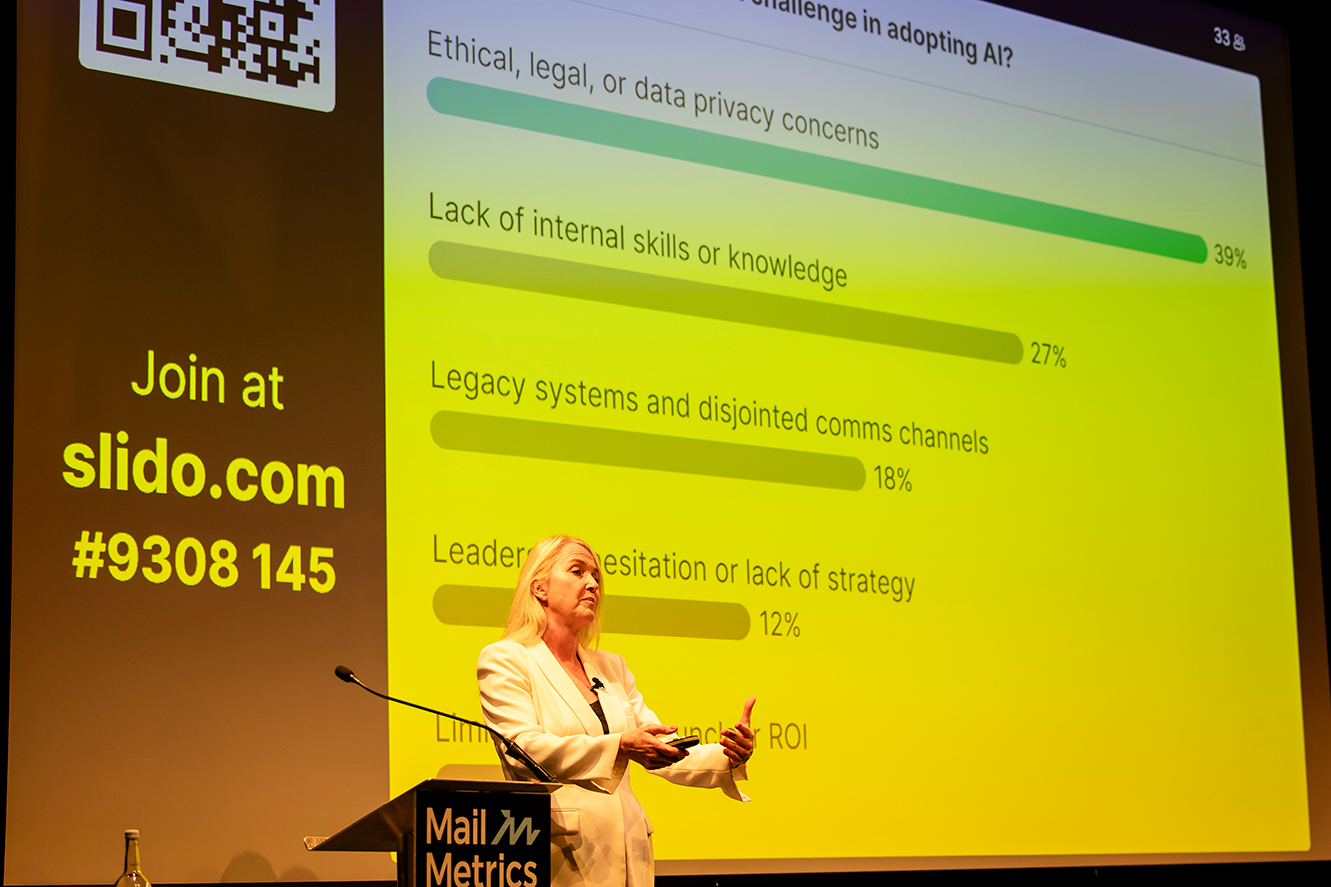
Without these fundamentals, AI introduces risk rather than removing it. Her point was reinforced by the other speakers, who noted that insufficient data such as incomplete forms, inconsistent preferences, and missing contact information, were the true barrier to automation, not a lack of tooling. Automation cannot compensate for broken workflows or unclear ownership.
AI readiness is not a technology milestone. It is an operational one. Organisations must treat communication data with the same discipline as regulated financial or customer data because that is precisely what it is.
7. Trust and authenticity in communications will become central to digital adoption
In a world of rising fraud, customers aren’t simply asking for digital channels. They’re asking for proof of authenticity. It’s no longer just about convenience.
Andy Young articulated this succinctly when he said that the customer question is shifting from “Did you send it?” to “How do I know this message is genuinely from you?” With fraud rising across digital channels, customers need confidence in message authenticity before they will act on it, especially in regulated sectors.
This emerging landscape aligns closely with the Mail Metrics platform. A unified communication estate, with clear audit trails, defensible provenance and brand consistency across channels, does more than reduce operational risk. It increases customer trust, which in turn increases digital engagement.
Authenticity must become a design principle. Customers will not adopt digital unless organisations can prove the legitimacy of every message.
8. Culture will determine the winners
Technology cannot compensate for cultural misalignment. No speaker made this clearer than Claire Williams. Drawing from Formula One, she explained that even in a team powered by advanced analytics and cutting-edge engineering, culture is the differentiator.
Shared mission, clarity under pressure, and resilience when systems fail were what separated competitive teams from those that merely survived.
Matt Roberts echoed this insight when he admitted that changing internal behaviours was harder than shifting customer behaviour. Jamie Middleton noted that PTSB needed “digital correspondence cheerleaders” to drive adoption internally. And Nick Keegan emphasised that while Mail Metrics is a technology platform, its success is ultimately driven by people and the culture clients build around transformation.
As organisations plan for 2026, they must treat culture as a strategic enabler. Transformation succeeds when teams understand why change matters, and fail when they do not.

9. The industry direction is now unified: real-time, digital-first, compliant-by-design, human-centred
Across regulated industries, organisations are converging on the same end-state: communication ecosystems that operate digitally by default, flow in real time, embed compliance into every step, and support customers with clarity and empathy.
This model demands fewer handoffs, fewer manual checks, and fewer interpretation points. And instead relies on integrated data, consistent governance, authentic communication, and human intervention only where it genuinely adds value. The enterprises that succeed in 2026 will be the ones that build around this architecture, rather than layering digital on top of legacy practices.
Despite representing different sectors, every speaker agreed. Nick Keegan outlined the need for integrated, multi-channel control to manage cost and compliance. Andy Young warned that standing still is now the real risk. Jamie Middleton argued that communications should lead the customer journey rather than follow it. Matt Roberts described a future in which customers self-serve by default, with human support reserved for high-stakes moments.
Katie King envisaged AI orchestrating communications once foundational data is in place. Tony Hickey stressed that accurate contact data is the foundation and without it, real-time, compliant-by-design communication can’t function. Andrew Herd stressed that real efficiency only happens when communication processes are standardised, while Claire Williams reminded the audience that technology succeeds only when aligned with human judgment and culture.
Communicate ’25 made one thing clear
The insights from our conference do not point to a future of more tools, more channels or more dashboards. They point to a future built on clarity: clarity of processes, clarity of data, clarity of regulatory rules, clarity of customer experience, and clarity of organisational purpose.
To build the digital-first, regulation-ready enterprise, organisations must simplify aggressively, define compliance internally rather than fear it externally, consolidate systems, treat authenticity as essential infrastructure, build cultures that can deliver change, and introduce AI only where it needs to be, by strengthening the operational fundamentals it depends on.
.png?height=2000&name=shape%20(2).png)
Contact us
Get in touch with one of our solution consultants to discuss your regulated communication requirements.